Experiential accommodation
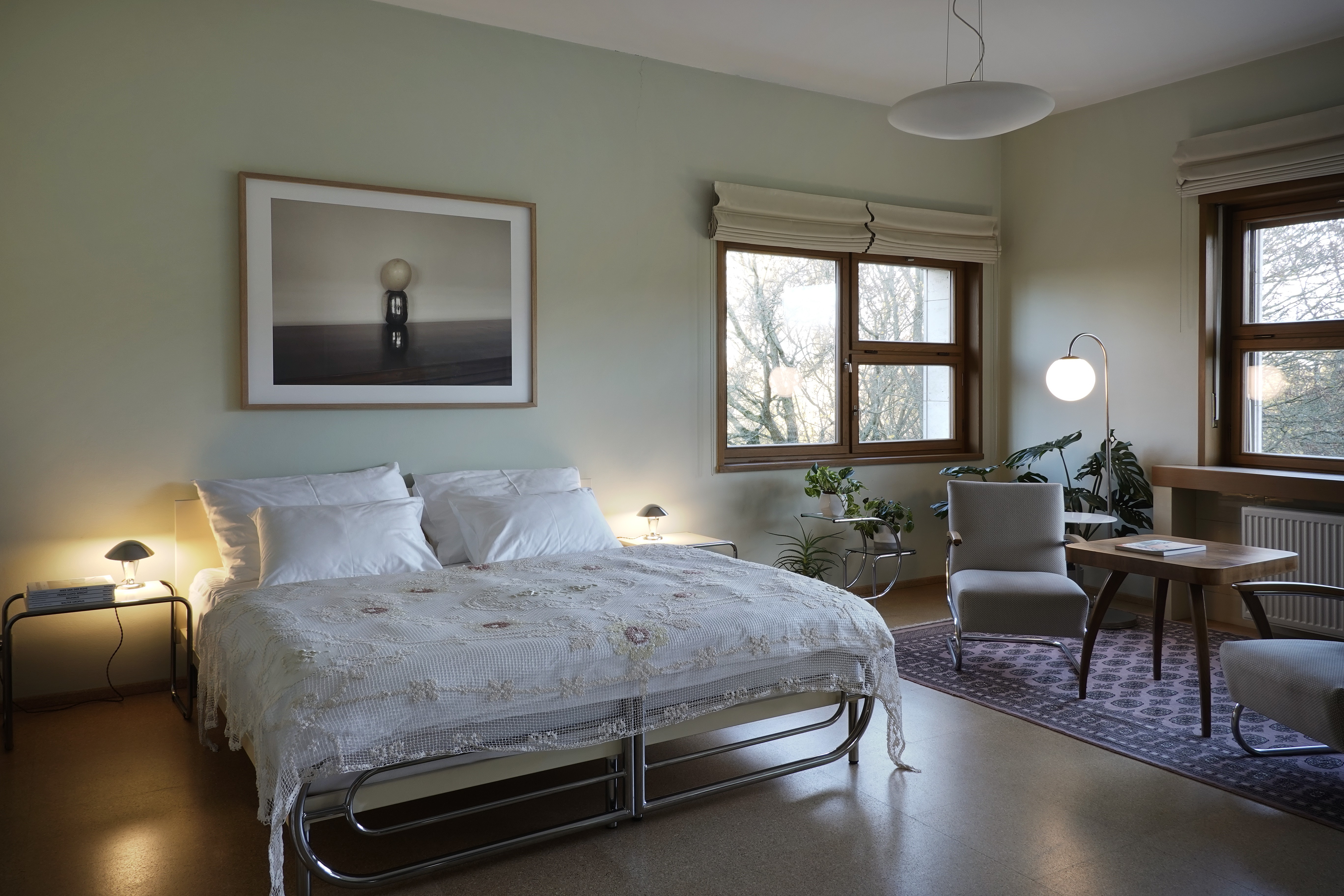
Experience the villa differently than just as a visitor. Wake up in an iconic space that slows time, cultivates the mind, and offers peace of mind not normally found in the city.
At the time when his dream home was created at the instigation of the Čelákovice industrialist Josef Volman, i.e. in the 1930s, the period of surrealism prevailed in the visual arts, in art deco design, and in photography the currents of geometricism and photopurism. In Bohemia, Jaromír Funke, Jaroslav Rössler and František Drtikol gave direction, which are still followed by artists all over the world. Beyond borders, Henri-Cartier Bresson or the founder of the photoessay principle André Kertézs were among the prominent movers of vivid photography. At the same time, the first professional photographic school was created in Paris and the first color photographic material was invented.
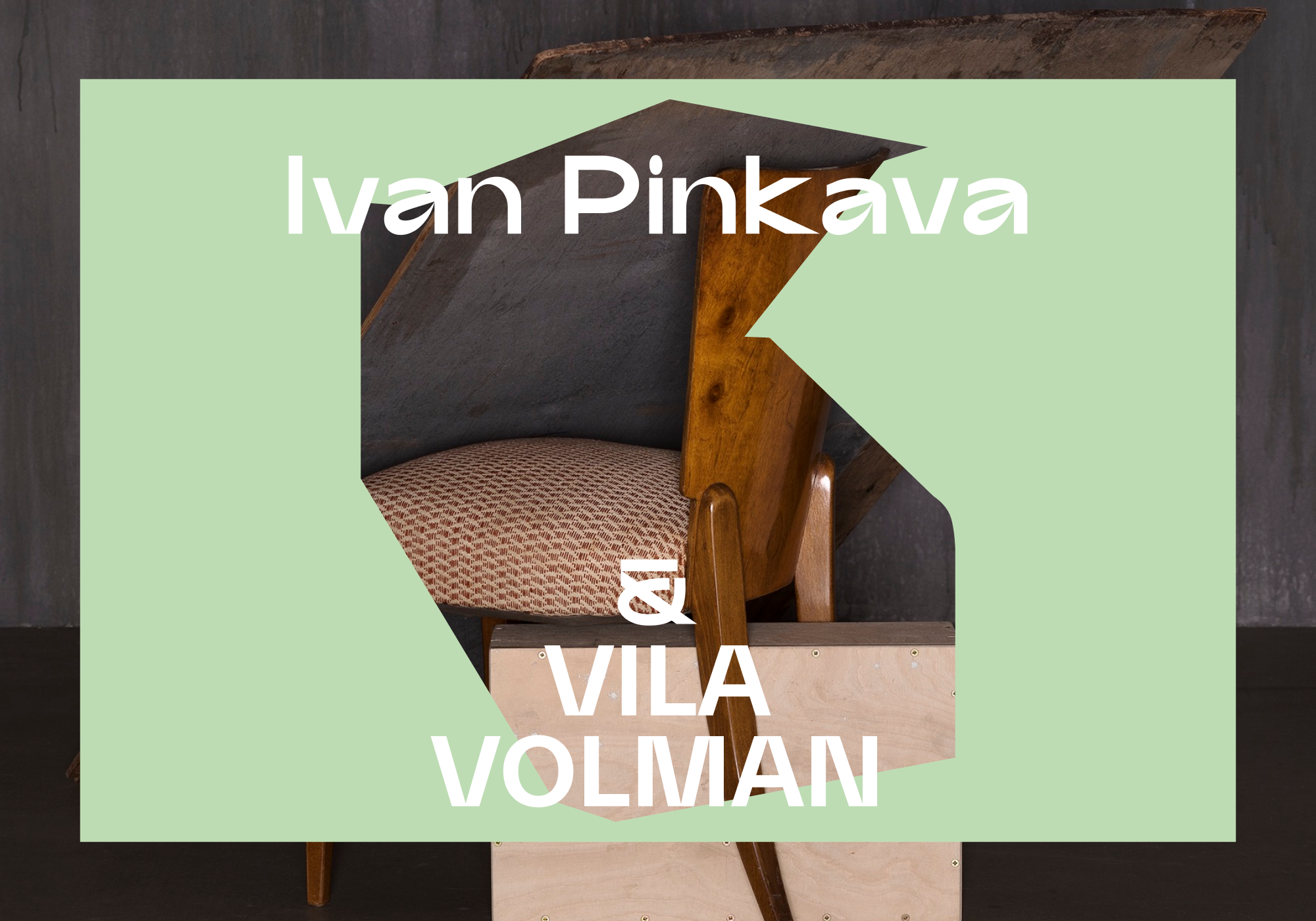
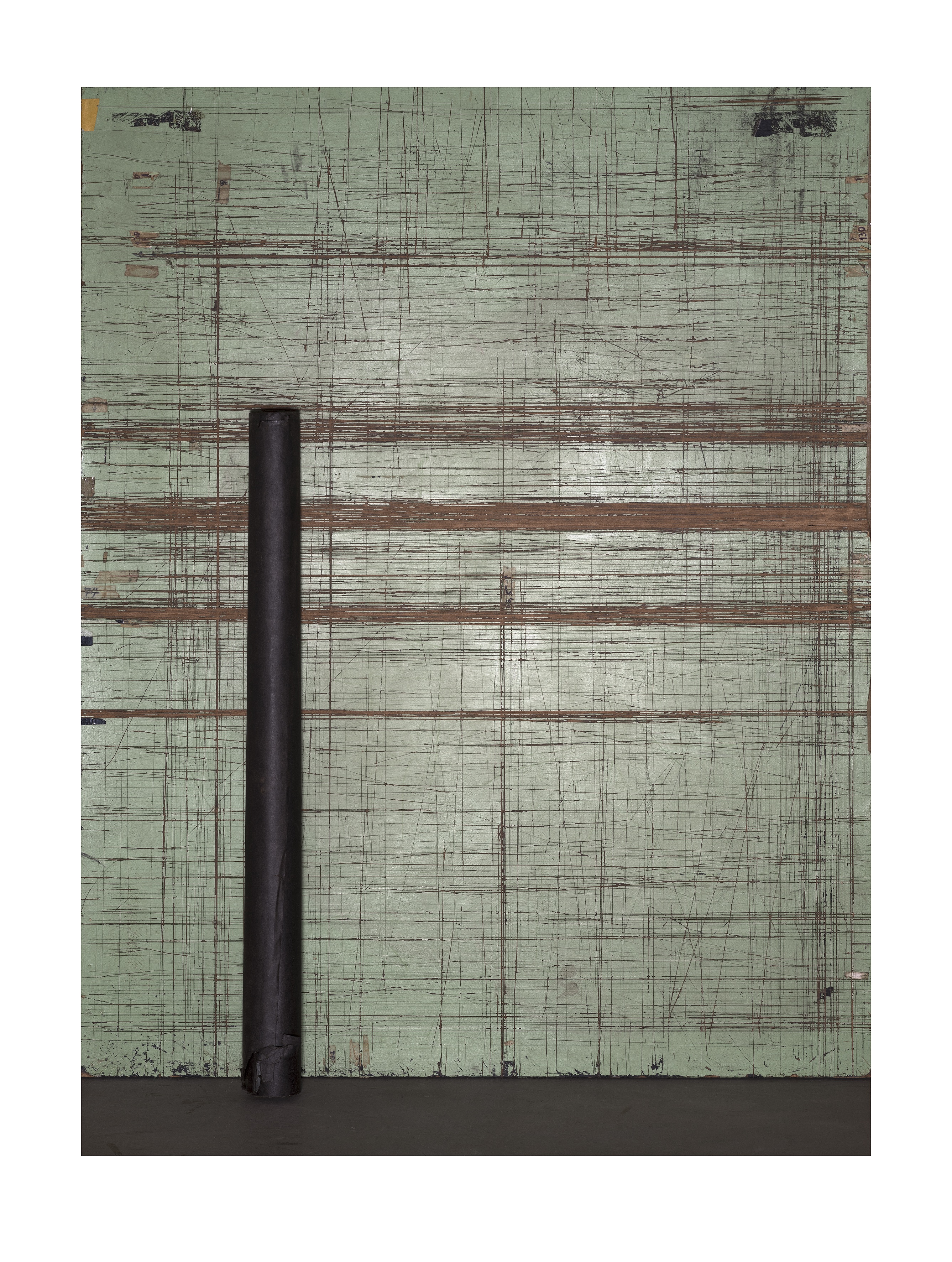
It is a period that Ivan Pinkava (born 1961) is fond of following and which is strongly reflected in his work. As he himself mentions: “The 20s and 30s are my weakness. Moderna got behind my fingernails. In a way, its aesthetic still accompanies me, and it regularly creeps into my works again and again with unexpected crevices from everywhere, even though the goals are logically long different.” His photographic cycles often capture the existential state of an individual in society, in a kind of time vacuum, where sometimes we can only imagine the time of their creation by minute clues. The artist's earlier figurative compositions are increasingly replaced by abstract photographs, even minimalist landscapes, evoking a metaphysical state of mind, confronting us with questions of what remains eternal, what is the meaning of our individual being and what is the possible form of hope.
Pinkava, who is able to connect his strong sense of painting and sculpture with a sense of scene and existential drama, in a kind of subversive way showcases used, destroyed objects and pushes their boundaries of perception, gives them a new meaning and status, and opens up a free field of reading of their fragility, pointing out hope and disillusion, beauty and transience.
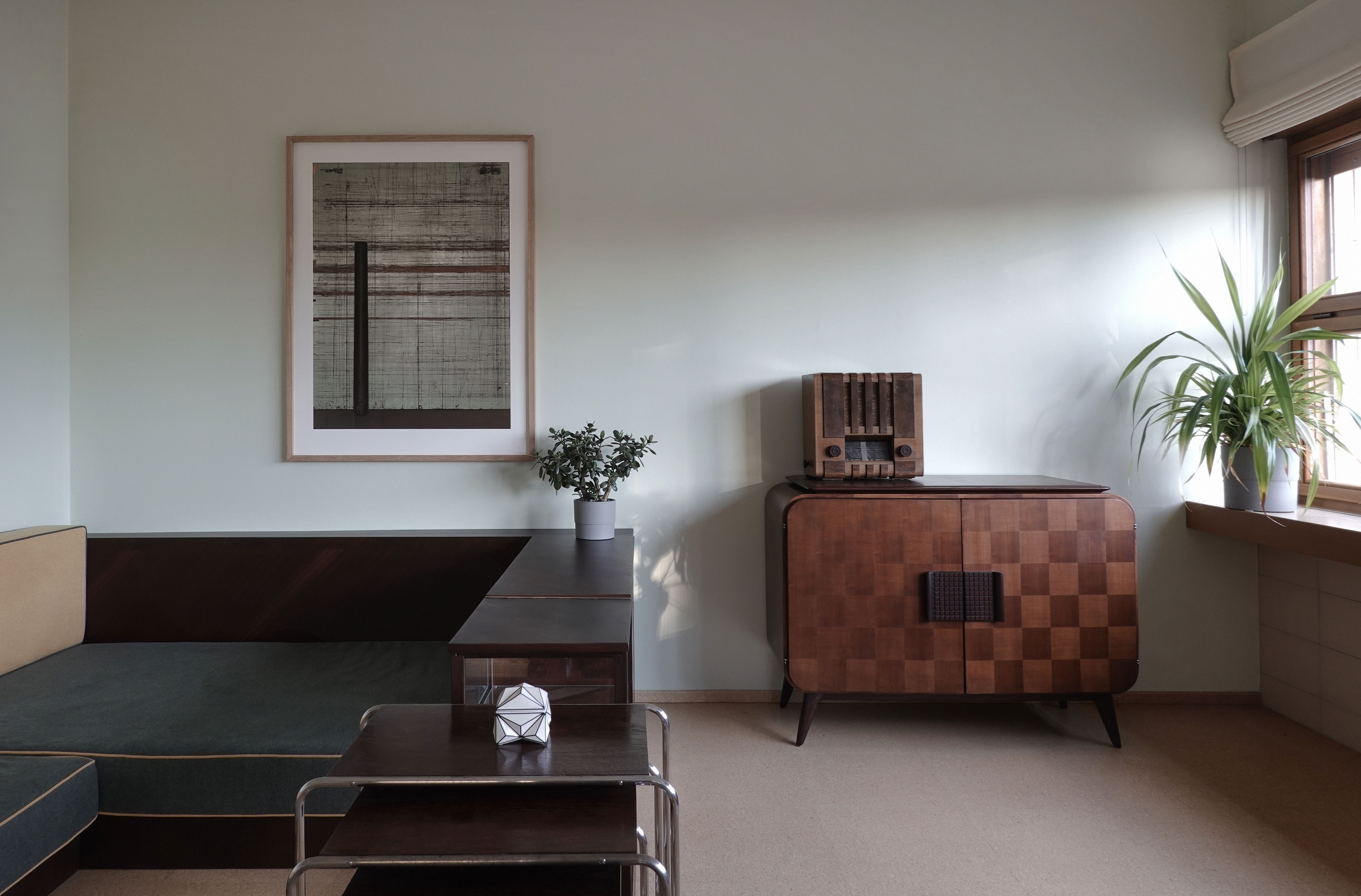
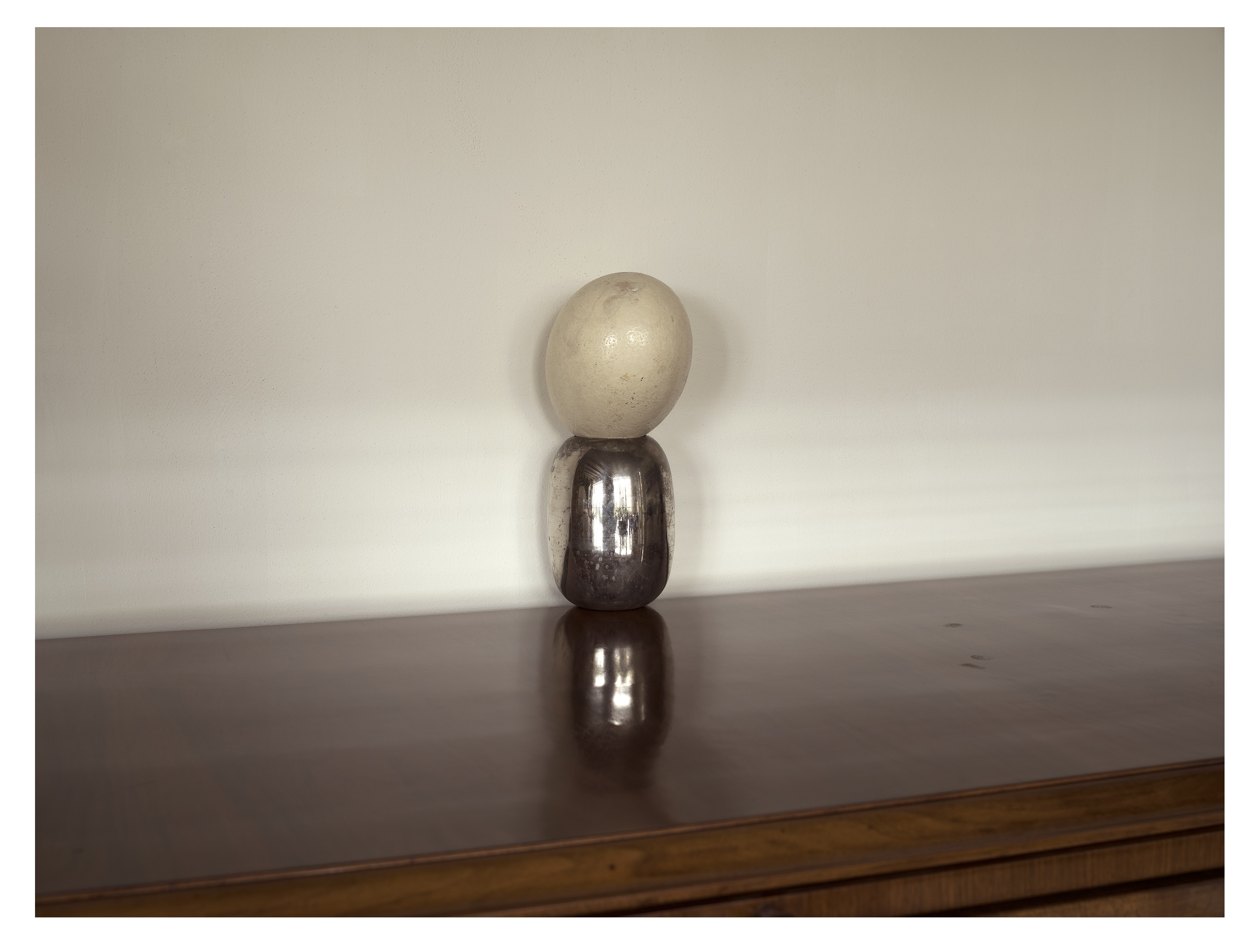
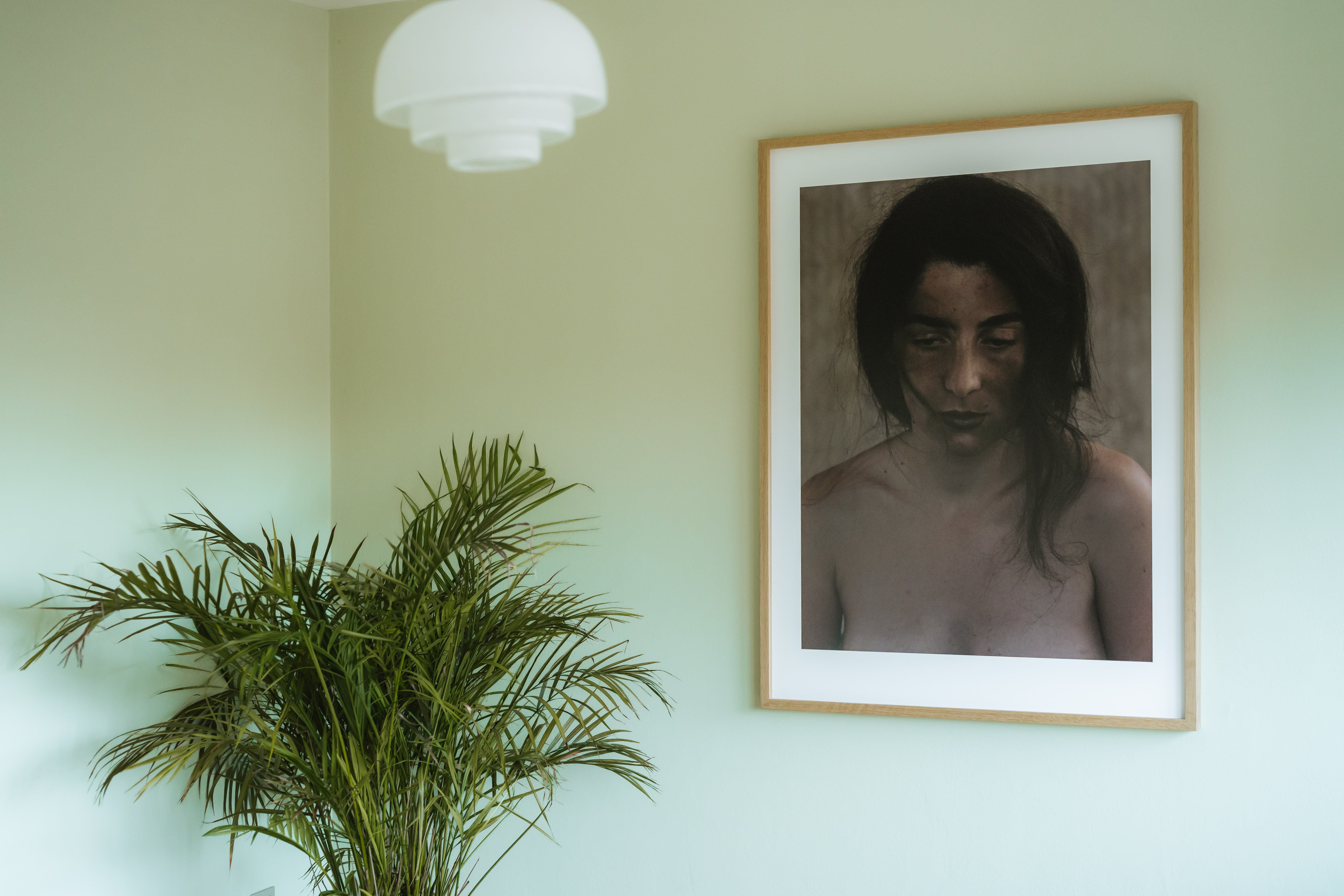
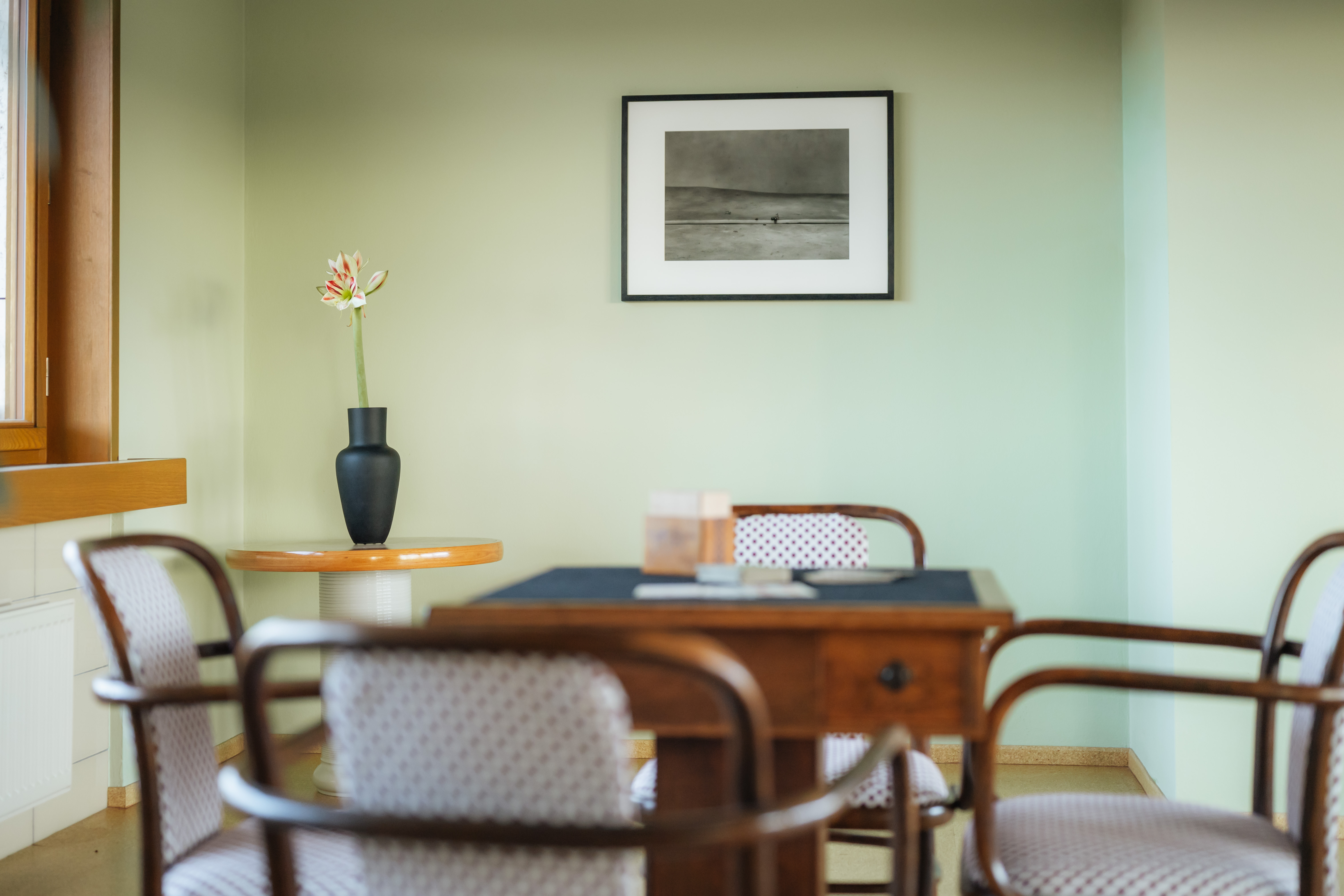
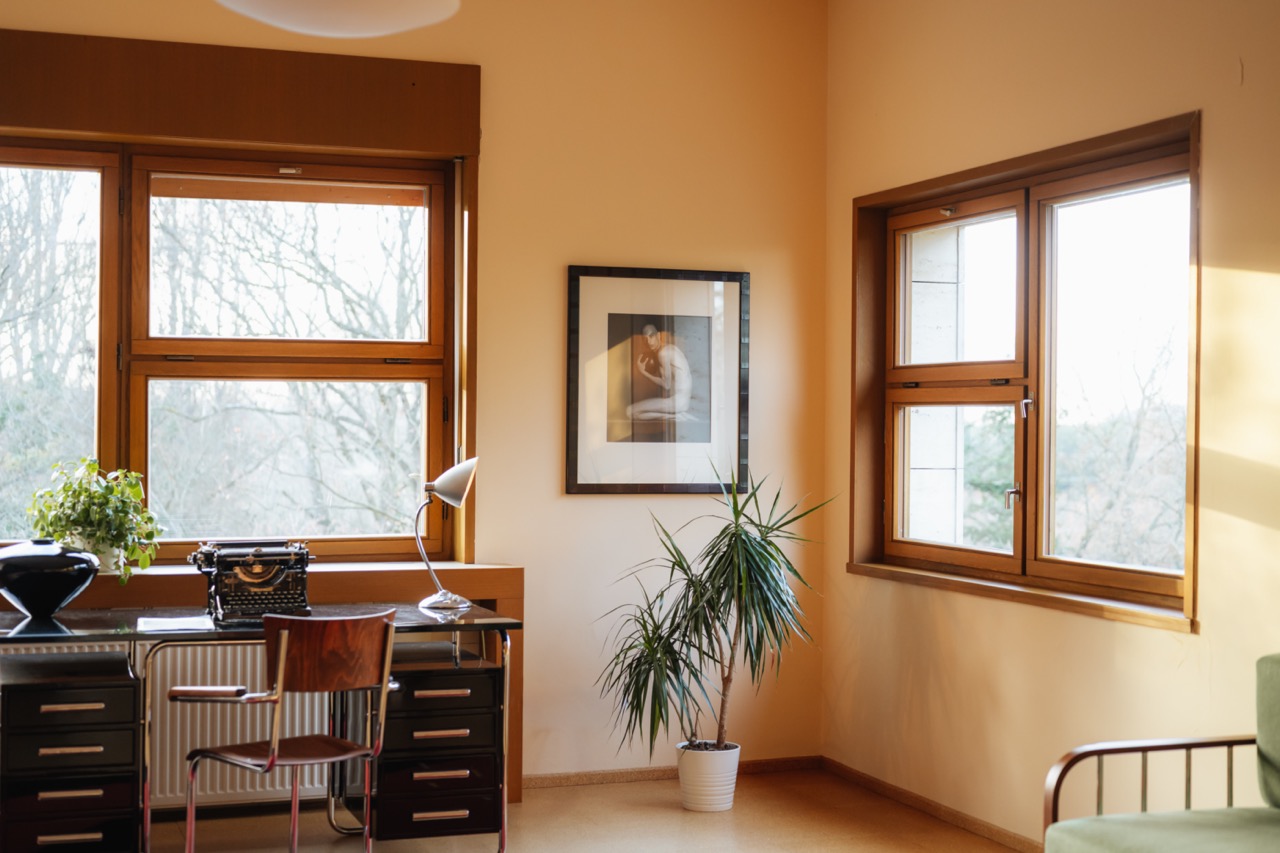
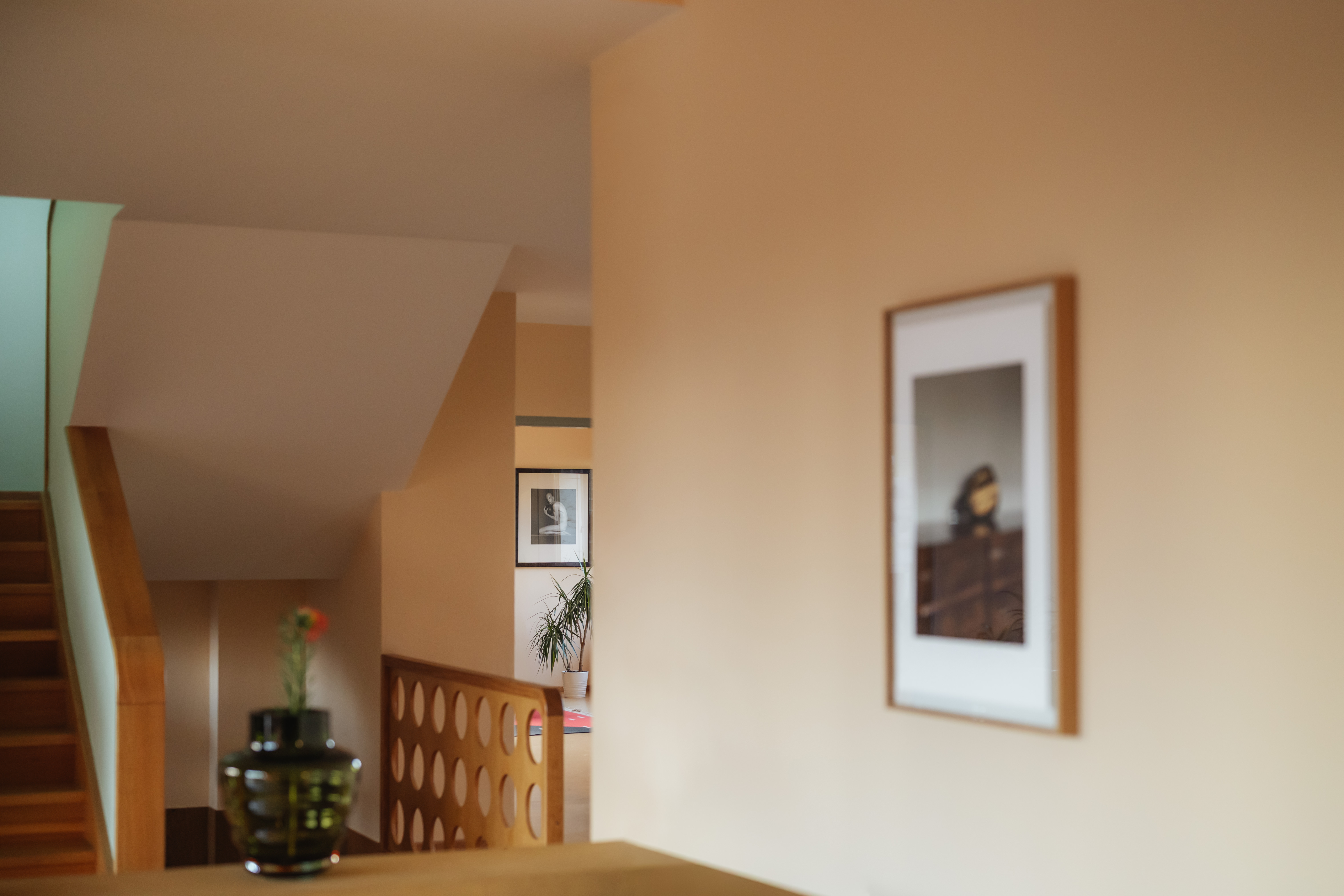
In his black and white photographs and more recently also in colour, he has repeatedly covertly related to their work with the help of subjects connected with the personal artistic history of his predecessors, František Drtikol, Josef Sudek and Jan Svoboda. He also likes to find parallels with important art icons from European art history, such as Caravaggio, Caspar. D. Friedrich or J. A. D. Ingres or Giorgio Morandi. Our common idea was to connect the context of that time and the present, to point out the social changes and the fates of the villa itself and its family in all its joyful and dark stages, and to point out possible similarities and starting points that threaten even now.

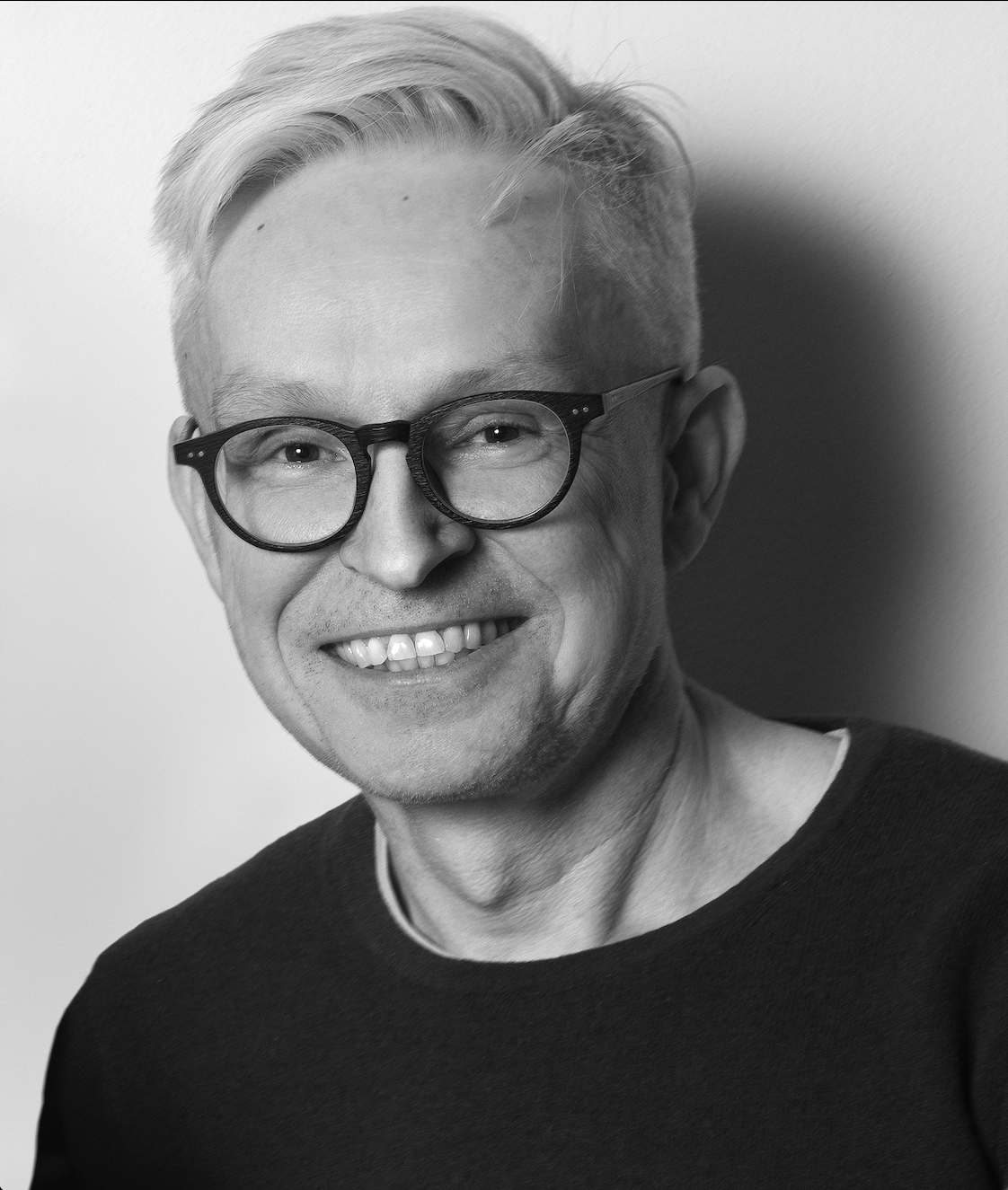
Ivan Pinkava's artistic beginnings lead us into the 1980s to his first studies in portraiture at the Prague FAMU, then through the foundation of the Prague House of Photography in 1989, to the management of the Studio of Photography at the Prague UMPRUM after 2005. During his rich exhibition career, he has exhibited his works in Berlin, Helsinki, Copenhagen, Mexico City, Houston, Athens, Bologna, Paris, Washington, Tokyo and many other cities. In the Czech Republic, one of his most prominent exhibitions was his presentation of the “Heroes” cycle in the Rudolfinum in Prague, or in the Imperial Stables of Prague Castle last year. He owns his author's photographs in his collections in addition to private collections, among others, the National Gallery of Prague, the Bibliothèque Nationale de France in Parisi, Victoria and Albert Museum v Londonand the Museum of Fine Arts in Houston.